Discover Luxury Homes in Baltimore, MD: Your 2026 Buying Guide
Luxury homes in Baltimore MD combine historic architecture, waterfront scenery, and quick access to major employers. According to Redfin, Baltimore’s overall median sale price as of mid-2025 ranges between $200,000 and $230,000, leaving meaningful headroom for high-end properties above the city average. Distinct enclaves such as Roland Park, Guilford, Homeland, Federal Hill, and Harbor East offer estates, townhomes, and luxury condos that appeal to executives commuting to Johns Hopkins Hospital, the University of Maryland Medical Center, and downtown office towers along Pratt Street and Light Street.
What Defines Luxury Homes in Baltimore MD Going Into 2026?
Luxury homes in Baltimore MD typically distinguish themselves through scale, finishes, and location. In Roland Park and Guilford, grand early-20th-century homes on Saint Paul Street and Charles Street feature slate roofs, stone facades, and deep, manicured lots measuring up to 10,000 square feet or more. Harbor East and Fells Point deliver contemporary penthouses with floor-to-ceiling harbor views, concierge services, and secure garage parking. Proximity to cultural anchors such as the Walters Art Museum and the Baltimore Symphony Orchestra in Mount Vernon further elevates perceived value among high-end buyers.
According to luxury listing data tracked by Realtor.com, properties marketed above $750,000 still represent a minority of Baltimore’s active inventory as of late 2025, helping support pricing power at the top. Many renovated brownstones in Bolton Hill and Mount Vernon combine original plasterwork, marble mantels, and ceiling heights over 11 feet with new systems and high-efficiency windows, blending historic character with modern comfort.
On quiet evenings in Homeland, the stone homes along Witherspoon Avenue glow under soft lamplight, and the air carries the faint scent of boxwood and chimney smoke in the colder months. Footsteps echo gently on brick sidewalks near Homeland Lakes, while the rustle of old oaks and the distant chime from nearby churches frame an atmosphere that feels both secluded and connected, only a short drive from the restaurants of Belvedere Square Market on York Road.
Walkability remains part of the luxury equation in several Baltimore neighborhoods. According to Walk Score, central Baltimore posts an overall walk score of about 78, considered very walkable. Harbor East, Fells Point, and Federal Hill often exceed that average, with residents stepping out to upscale dining at The Charleston, Ouzo Bay, or the Sagamore Pendry Baltimore along Thames Street. Ready access to marinas, waterfront promenades, and boutique gyms adds lifestyle value that rivals far pricier coastal markets.
Where Are Baltimore’s Key Luxury Neighborhoods and Corridors?
Three historic neighborhoods—Roland Park, Guilford, and Homeland—form a classic northern luxury triangle. According to GreatSchools, Roland Park Elementary/Middle earns a rating between 8 and 9 out of 10, supporting strong demand for large homes around University Parkway and Roland Avenue. Tree-lined streets, stone garden walls, and proximity to The Johns Hopkins University Homewood campus reinforce long-term desirability, while nearby eateries at The Rotunda on 40th Street provide everyday convenience without sacrificing a residential feel.
Waterfront districts create another axis of luxury homes in Baltimore MD. Federal Hill and Locust Point offer renovated rowhomes and new townhome communities near Fort Avenue and Key Highway, many with rooftop decks overlooking the Inner Harbor and M&T Bank Stadium. According to market data summarized by Zillow, several harbor-facing zip codes show typical list prices between $600,000 and $1,100,000 for larger properties as of early 2026. Limited buildable land near the water helps sustain premiums over inland neighborhoods.
Weekend mornings along Thames Street in Fells Point bring the shimmer of sunlight on the water, the smell of roasted coffee from cafes near Broadway Square, and the sound of gulls circling above cobblestone alleys. Luxury condo balconies facing the harbor catch a light breeze carrying salt and diesel from passing water taxis, while music drifts from restaurants near Sagamore Pendry Baltimore, giving residents a sensory connection to the working port and historic waterfront.
How Much Do Luxury Homes in Baltimore MD Typically Cost?
Price bands vary significantly by neighborhood, size, and view. According to Realtor.com, many upscale single-family homes with four or more bedrooms trade between $700,000 and $1,200,000 in northern neighborhoods as of Q4 2025. In Roland Park and Guilford, renovated historic properties on larger lots can exceed $1.5M, particularly along Greenway and Charlcote Place. In contrast, high-finish townhomes in Canton or Brewers Hill sometimes fall in the $550,000 to $800,000 range.
High-rise living introduces a different pricing curve. Harbor East condos in buildings near Lancaster Street and Aliceanna Street, many with concierge service and hotel-style amenities, often list from around $800,000 into the $2M range based on mid-2025 data compiled by Redfin. Penthouses with multiple terraces, two garage spaces, and panoramic harbor views can command premiums per square foot exceeding $700, especially when combined with tax-advantaged districts or new construction warranties.
Carrying costs matter alongside purchase prices. Baltimore City property tax rates sit near 2.24%, according to information summarized by the Baltimore City Department of Planning, higher than some surrounding counties. However, targeted revitalization zones and historic tax credits can lower effective outlays for qualifying renovations. Monthly HOA or condo fees in full-service buildings around Harbor East and Inner Harbor frequently range from $700 to over $1,500, reflecting amenities such as pools, fitness centers, and 24-hour front desk staffing.
What Amenities and Lifestyles Do Baltimore Luxury Buyers Prioritize?
High-end buyers in Baltimore often prioritize proximity to employment centers and culture. Easy access to Penn Station for MARC and Amtrak service, quick routes along I-83 and I-95, and short commutes to Johns Hopkins Hospital and the University of Maryland Medical Center weigh heavily in decision-making. Neighborhoods like Mount Vernon and Bolton Hill place residents within walking distance of the Meyerhoff Symphony Hall, The Lyric, and the Baltimore School for the Arts, creating an arts-focused lifestyle without sacrificing urban convenience.
Recreation and green space also shape perceptions of luxury. Druid Hill Park, Patterson Park, and Canton Waterfront Park offer running paths, ballfields, and dog parks within minutes of many upscale homes. According to park usage figures summarized by Baltimore City Recreation & Parks, major parks collectively serve hundreds of thousands of visitors annually, underscoring their role as shared backyards. Access to private clubs, including the Baltimore Country Club in Roland Park and local marinas along Boston Street and Key Highway, further distinguishes premium locations.
Dining and hospitality complete the picture. The Ivy Hotel off Biddle Street, upscale spots near Harborplace, and destination restaurants in Harbor East and Little Italy shape expectations for service and ambiance. Luxury homes in Baltimore MD benefit from being minutes from Oriole Park at Camden Yards, M&T Bank Stadium, and entertainment districts around Power Plant Live!, providing an array of weekend options within roughly 10 to 15 minutes’ drive for most central neighborhoods.
How Should 2026 Buyers Approach Timing, Financing, and Strategy?
Market timing for luxury homes in Baltimore MD increasingly centers on inventory cycles. According to mid-2025 data from Redfin, Baltimore’s overall months of supply typically fluctuates between 1.5 and 3.5, with luxury segments often experiencing slightly higher levels due to longer marketing times. Nonetheless, competitively priced homes in top neighborhoods can still attract multiple offers, particularly in late spring and early fall when relocation-driven activity peaks.
Financing structures matter at higher price points. Conventional conforming loan limits have caps, so many luxury purchasers rely on jumbo mortgages or significant cash reserves. According to guidance from the National Association of Realtors, typical down payments on higher-priced homes frequently fall in the 15% to 30% range nationwide as of 2025. In Baltimore, cash offers remain common on historic properties requiring specialized renovations, while new-construction condos sometimes feature incentives that offset closing costs or association fees.
Strategy often focuses on aligning lifestyle goals with specific streets and micro-neighborhoods. For instance, buyers who value walkable coffee shops and boutiques might prioritize Hampden’s 36th Street corridor, known as The Avenue, or Federal Hill’s Cross Street Market. Others may center decisions on school assignments, gravitating toward areas served by Roland Park Elementary/Middle or Baltimore Polytechnic Institute on Falls Road. Balancing these preferences with realistic price bands and carrying costs helps refine searches before peak listing months arrive.
The $200,000 to $230,000 citywide median price range cited at the start of this guide reflects how selectively the upper tier of luxury homes in Baltimore MD has evolved above the broader market. That same figure from the opening underscores how premium neighborhoods command substantial, but often still regionally competitive, multiples over average sale prices. The Bright MLS Baltimore portal offers one of the clearest ongoing snapshots of new inventory, contract activity, and closed prices by neighborhood and price band. Buyers who register listing alerts, arrange to tour promising homes within 48 hours of activation, and finalize financing strategies before the late-spring 2026 listing surge position themselves to secure preferred properties at more favorable terms. Those who delay preparations until after the Q2 rush risk facing tighter inventory, faster-moving listings, and reduced leverage during negotiations.
FROM OUR BLOG

New Construction Homes in Havre De Grace, MD: What to Expect in 2026
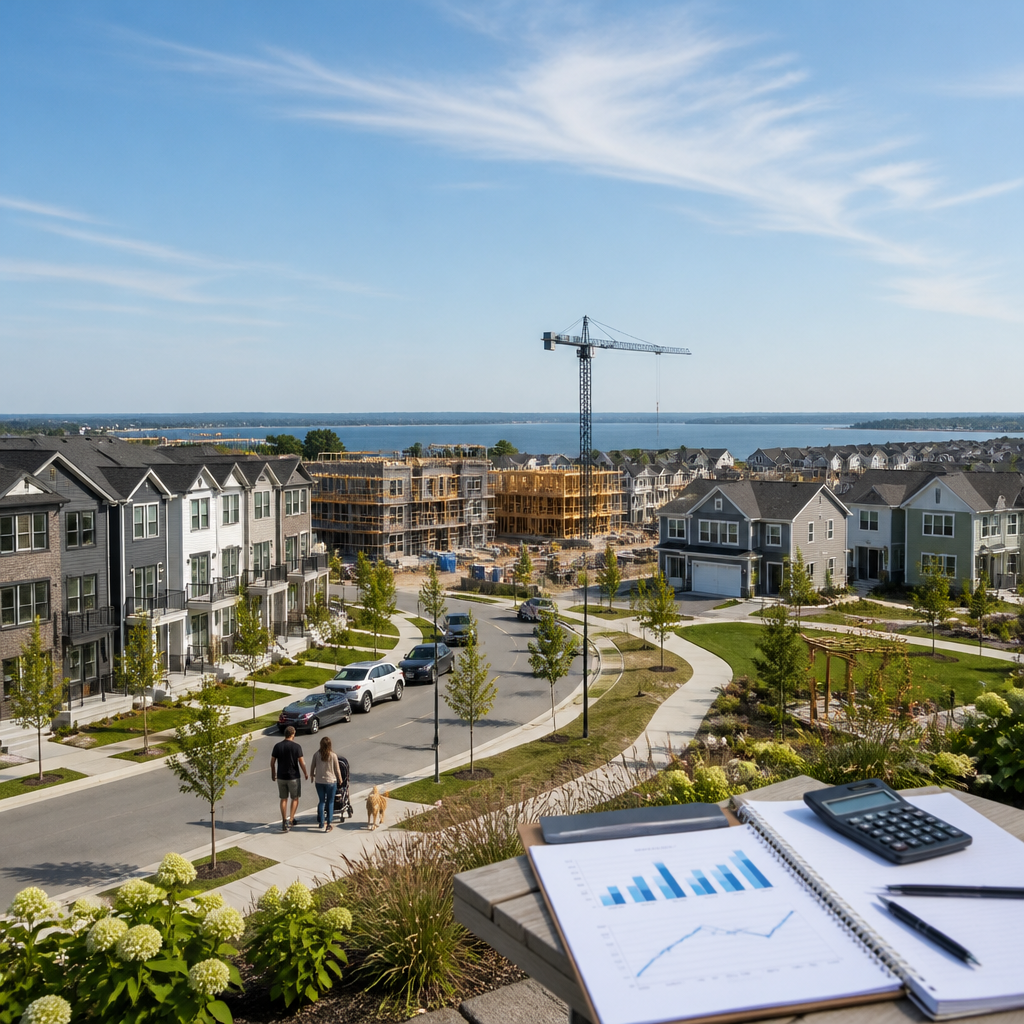
New Construction Homes in Havre De Grace, MD: What to Expect in 2026 New construction in Havre De Grace MD is poised for a busy 2026 as builders respond to steady demand along the Susquehanna River. According to Walk Score, Havre De Grace holds a walkability score of 63, reflecting a small-city layo
The Ultimate Guide for First-Time Homebuyers in Aberdeen, MD: Tips & Resources
The Ultimate Guide for First-Time Homebuyers in Aberdeen, MD: Tips & Resources Aberdeen sits along U.S. Route 40 and I‑95, offering Harford County access at comparatively approachable price points. According to Zillow, typical Aberdeen home values as of mid‑2026 fall in a range around the low‑ to mi